Buying Local, Organic, & In- Season
(And Why It Matters)
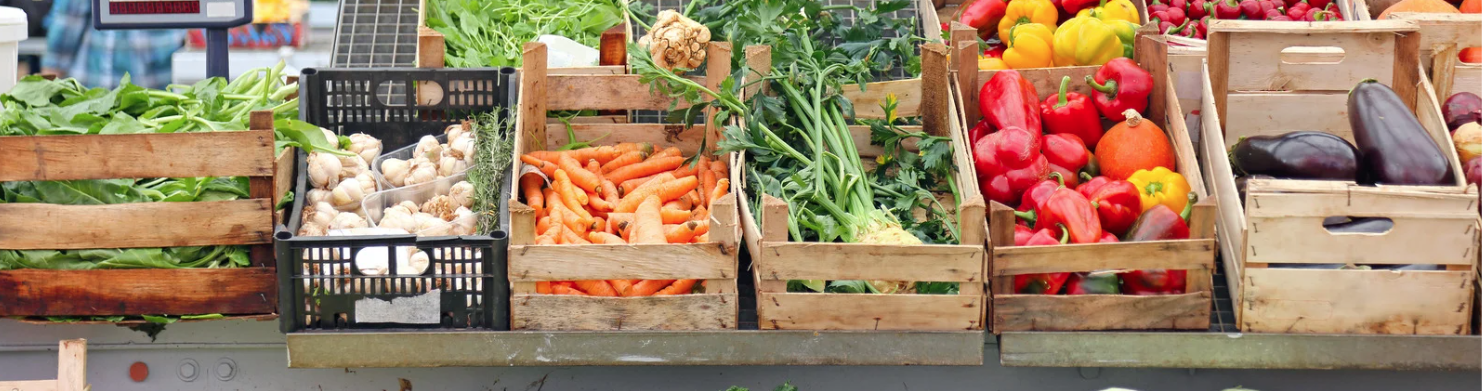
With Earth Day as a reminder of how connected our choices are to the world around us, it’s a good time to take a closer look at what’s happening in our own kitchens.
A well-stocked kitchen is one of the most powerful tools for supporting your health. The quality of your ingredients—where they come from, how they’re grown, and how they’re raised—matters.
In this guide, we’ll break down how to buy local, organic, and in-season—so you can make smarter choices without overcomplicating it (because it doesn’t need to be).
What Does “In Season” Actually Mean
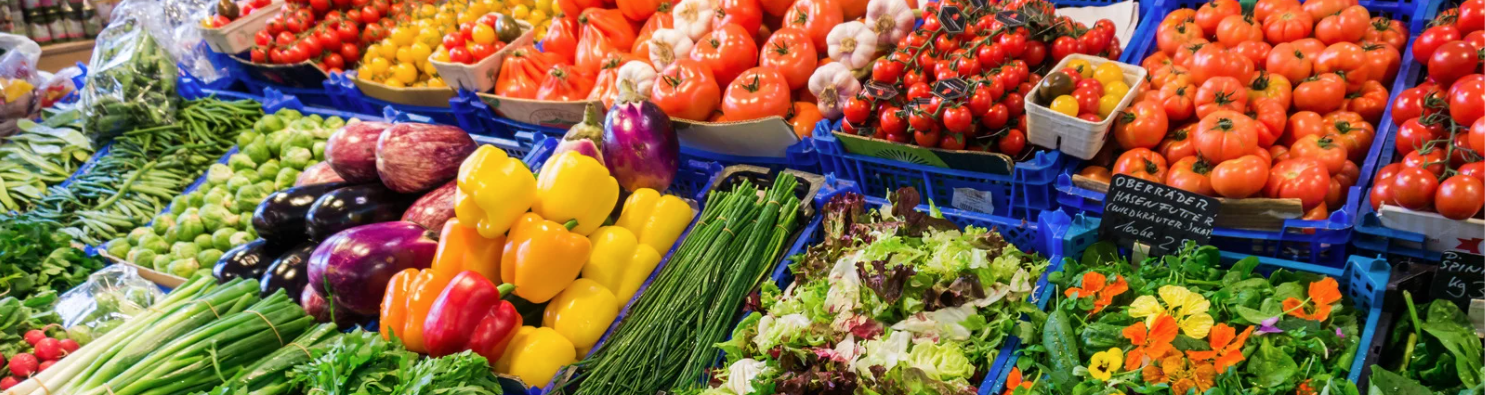
Seasonality refers to the natural window of time when a fruit or vegetable is harvested at its peak.
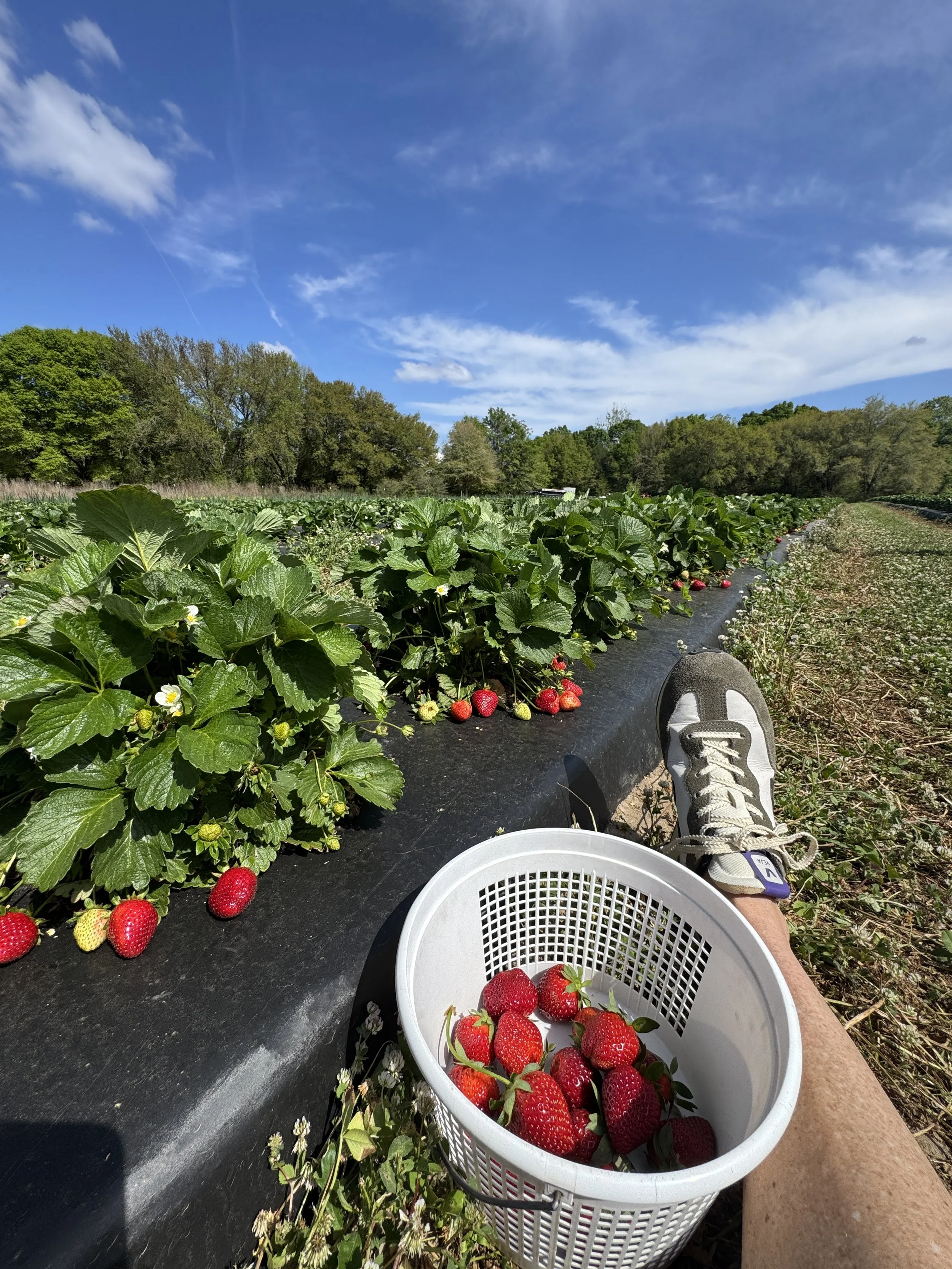
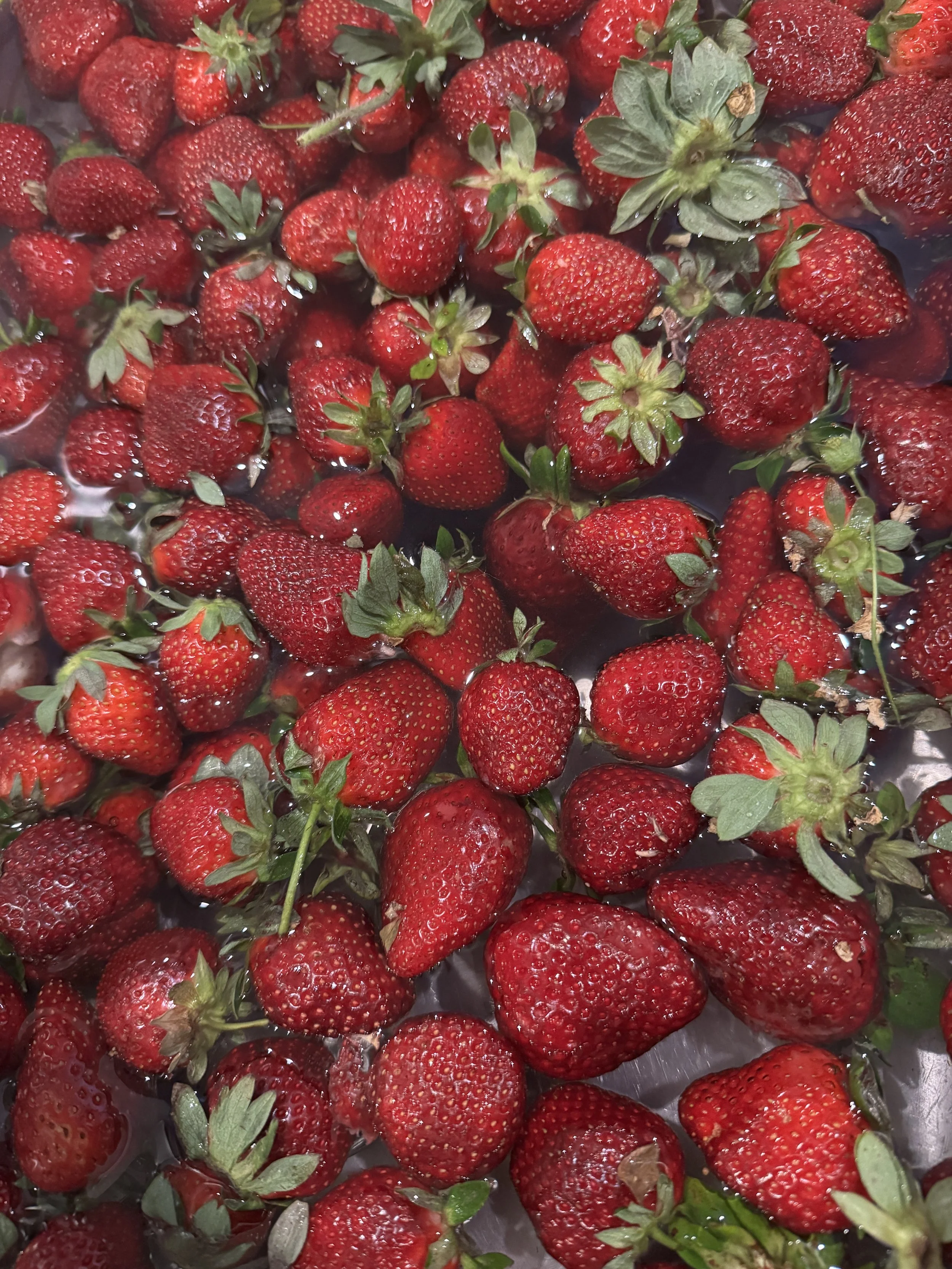
From the moment produce is picked, it begins to lose nutrients through a process called respiration. The longer it takes to reach your plate, the more those nutrients decline. That means strawberries picked locally at peak season will almost always be more nutrient-dense than ones shipped across the country (or world) out of season.
Eating seasonally is one of the simplest ways to upgrade the quality of your diet—without overcomplicating it.
What Does “Organic” Really Mean?
Organic isn’t just a label—it’s a set of farming practices designed to work with nature, not against it.
At its core, organic agriculture prioritizes soil health, environmental balance, and more responsible care for animals—while avoiding many of the things commonly used in conventional farming.
Key standards include:
No synthetic pesticides, herbicides, or artificial fertilizers
No GMOs, irradiation, or sewage sludge (yes, that’s actually allowed in conventional farming…)
Farming methods that support soil health and biodiversity (crop rotation, composting, beneficial insects)
For animal products: organic feed, no routine antibiotics or growth hormones, and access to the outdoors
It’s not perfect—but it’s a meaningful step toward cleaner food and more sustainable farming practices.
What Labels to Look For (and What to Ignore)
Not all labels are created equal—and some are more marketing hype than meaning.
Here’s how to quickly make sense of what you’re looking at:
USDA Organic (the gold standard)
“100% Organic” = all ingredients are organic
“Organic” = at least 95% organic
“Made with Organic…” = contains some organic ingredients, but not fully
Produce sticker codes (PLU numbers)
4 digits = conventionally grown
5 digits starting with 9 = organic
(And no, that doesn’t mean zero pesticides—just that approved organic standards were followed)
“Natural” (proceed with caution)
This term is largely unregulated and doesn’t tell you much about how the food was grown or raised
Non-GMO Project Verified
Indicates the product avoids genetically modified organisms (GMOs)—plants altered in a lab for traits like pest resistance or shelf life
Regenerative (emerging, but promising)
Focuses on rebuilding soil health, improving ecosystems, and going beyond sustainability
Not all certifications are equal yet, but it’s a space worth watching
Why Does Organic Matter?
For many people, the shift toward organic starts in the kitchen—but the impact goes far beyond what’s on your plate. It touches soil health, water quality, and the long-term sustainability of our food system.
Here’s why it’s worth paying attention:
Reduced exposure to pesticides
One of the most compelling reasons. Conventional crops can carry pesticide residues linked to hormone disruption, gut health issues, and potential neurological effects over timeNutritional quality
Some research shows organic foods contain higher levels of antioxidants and phytonutrients—the magic compounds that give plants their color, flavor, and many of their anti-inflammatory benefitsSupporting better farming practices
Choosing organic supports farmers who prioritize soil health, biodiversity, and more responsible land stewardshipA ripple effect beyond your plate
Organic farming helps protect soil, water, pollinators, and future food systems
(Turns out “eat your vegetables” has a broader impact than we thought)
How to Find Organic Food (It’s Easier Than You Think)
Organic food is more accessible than ever—and it’s not just for the co-op crowd anymore.
CSA (Community Supported Agriculture)
A direct way to get seasonal produce from local farms to your door—often the freshest option availableFarmers markets
Not all farms are certified organic, but many follow organic practices—don’t hesitate to ask how they grow their foodLocal grocers and specialty markets
Many smaller markets prioritize local and organic sourcingMajor grocery chains
Organic options are now widely available (and often clearly labeled)Online markets (like Misfits Market)
A convenient option for organic and imperfect produce—delivered to your door
"At its core, organic agriculture prioritizes soil health, environmental balance, and more responsible care for animals"
What to Prioritize (If You’re Not Buying Everything Organic)
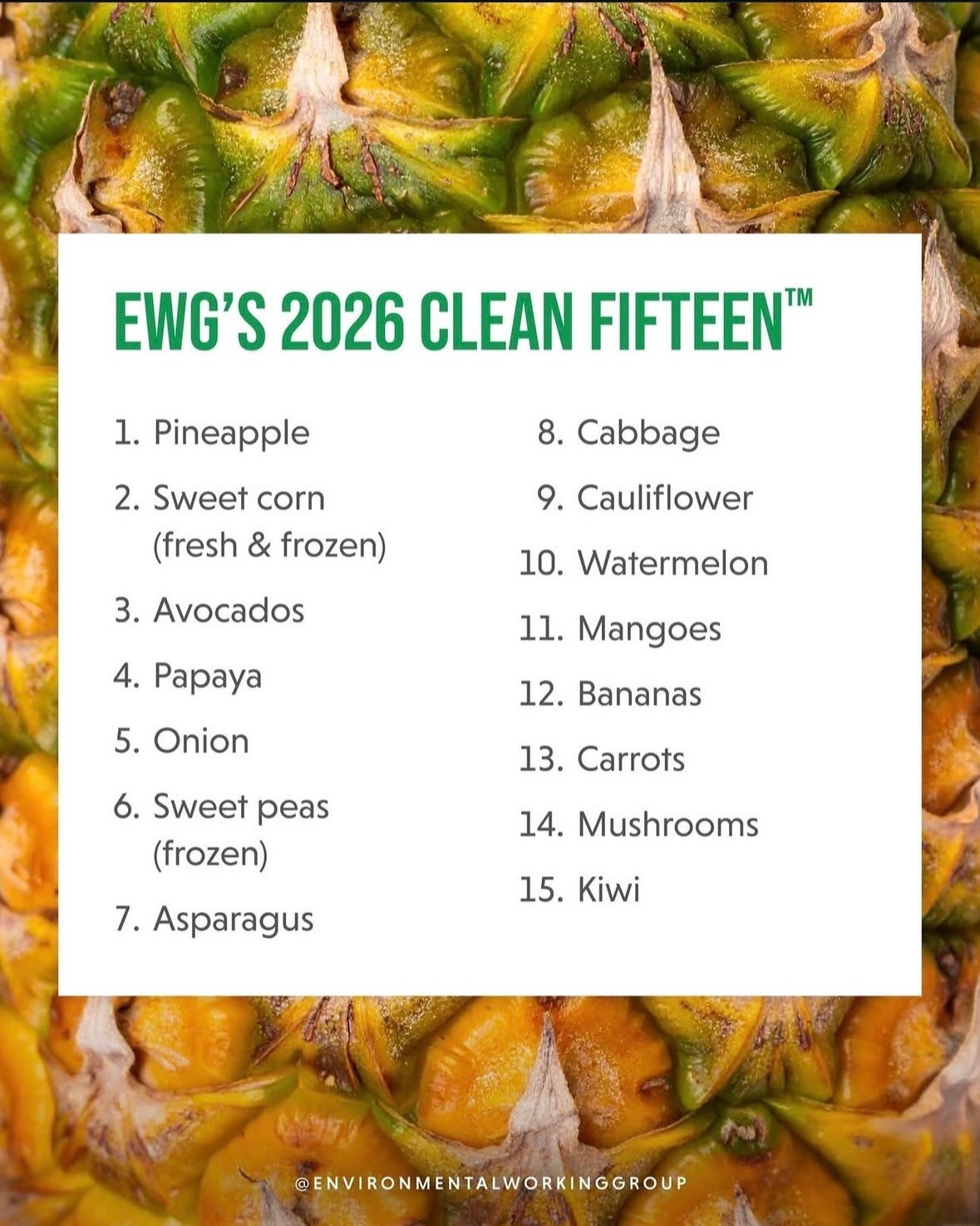
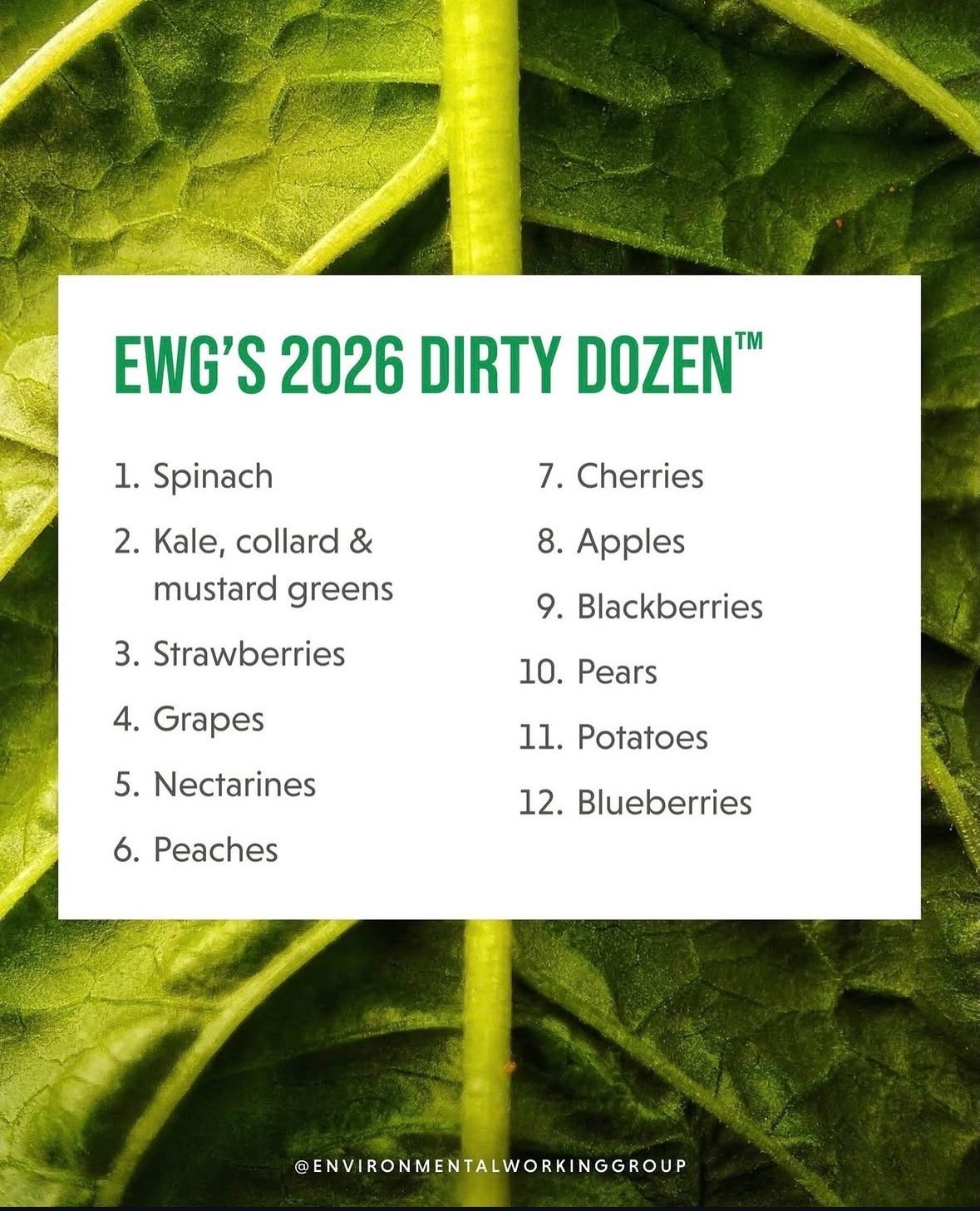
If budget or access is a factor, focus on buying organic versions of the foods most likely to carry pesticide residues—and don’t stress about the rest.
The Environmental Working Group (EWG) created two simple guides to help:
Dirty Dozen
Fruits and vegetables more likely to carry higher pesticide residues—these are worth prioritizing as organicClean Fifteen
Produce with lower levels of residue—generally okay to buy conventional
Even with organic, it’s still worth washing your produce well. A simple rinse is helpful, but briefly soaking in a baking soda solution before drying and storing can further reduce surface residues and dirt (nothing fancy—just a little extra effort where it counts).
It’s not about perfection—it’s about making smarter tweaks where they matter most.
Pasture-Raised Protein (What to Look For)

When it comes to animal proteins—beef, bison, lamb, goat, and sheep—quality matters. A good place to start: look for pasture-raised.
Pasture-raised means animals are able to roam in a natural environment and eat the foods they’re biologically designed for—grass, plants, and forage—not a steady diet of grain. This more natural approach can influence both the health of the animal and the nutritional quality of the meat.
A few key things to know:
Pasture-raised
Animals have access to the outdoors and can engage in natural behaviors like grazingOrganic certification (United States Department of Agriculture)
Requires organic feed, no routine antibiotics or growth hormones, and living conditions that support natural behavior
(“Access to pasture” can vary—so this is a good baseline, not the whole story)Grass-fed vs. grass-finished
Grass-fed = the animal ate grass at some point
Grass-finished = the animal was raised on grass for its entire life
(This is what you’re ideally looking for with beef)
In simple terms: the closer the animal’s diet and environment are to nature, the better the outcome—for both the animal and your plate.
Dairy: Why Quality Matters
When it comes to dairy, organic is your baseline—grass-fed is the upgrade.
What an animal eats directly impacts the quality of its dairy. Grass-fed dairy, for example, can contain higher levels of beneficial fats like conjugated linoleic acid (CLA), which has been associated with reduced inflammation and improved metabolic health (a small shift upstream can make a meaningful difference downstream).
Choosing organic dairy also helps reduce exposure to added hormones and pesticide residues from feed, while supporting more natural farming practices.
Another factor to consider is how dairy is processed:
Pasteurized dairy is heated to eliminate potentially harmful bacteria
Raw (unpasteurized) dairy is not heat-treated and retains naturally occurring enzymes
While pasteurization improves safety and shelf life, it may also reduce some beneficial enzymes and alter digestibility for certain individuals.
As with most things, it’s about awareness and choice—understanding where your food comes from and how it’s handled along the way.
Poultry: What Those Labels Actually Mean
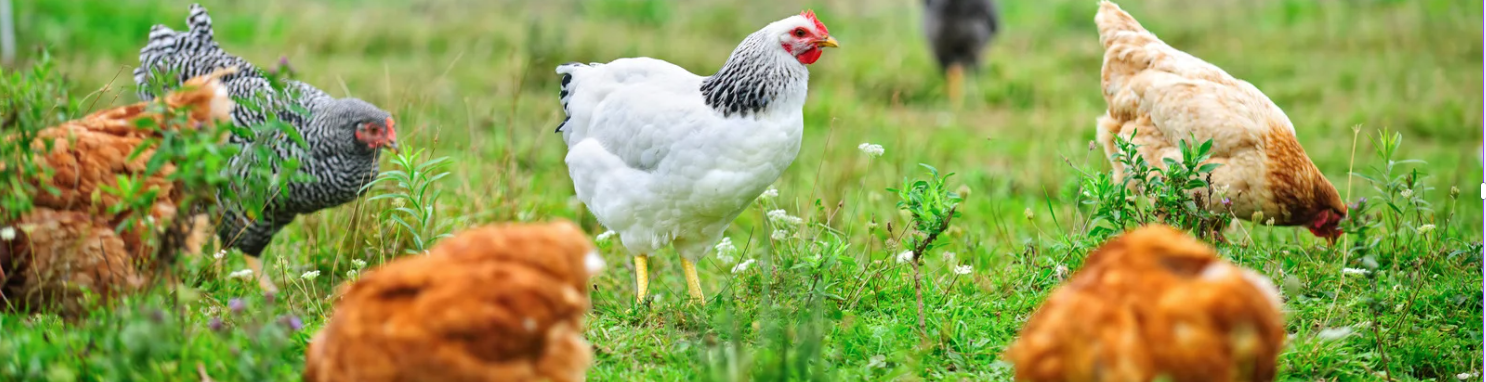
For chicken and turkey, aim for pasture-raised and organic whenever possible.
These standards generally reflect better living conditions for the birds and a more natural diet—which can influence both quality and nutrient profile.
Here’s how to decode the most common labels:
Pasture-raised
Birds have meaningful access to the outdoors and can engage in natural behaviors like foraging (this is the gold standard)Certified organic
Requires organic feed, no routine antibiotics, and access to the outdoors
(Again—“access” can vary, but it’s a solid baseline)Free-range
Birds have some access to the outdoors, though the amount and quality of that access can vary widelyCage-free
Birds are not kept in cages, but are typically raised indoors in open barns
In simple terms: not all labels mean the same thing—and some sound better than they actually are (looking at you, cage-free).
Seafood: Wild vs. Farmed (and What to Look For)
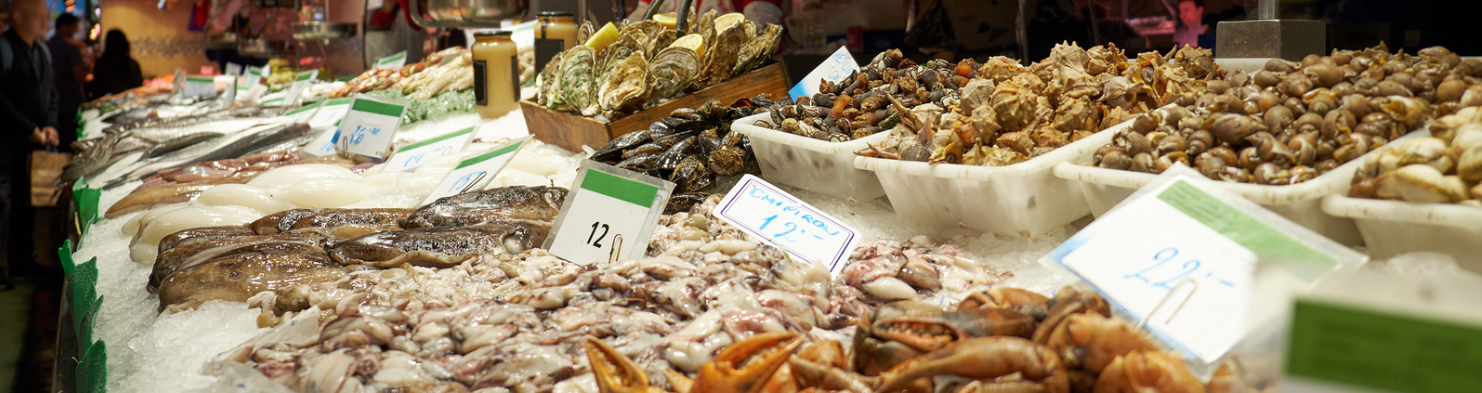
Seafood is a clean, nutrient-dense source of protein—rich in omega-3 fats, along with key vitamins and minerals that support brain, heart, and metabolic health.
Traditionally, wild-caught fish—meaning the fish lives and feeds in its natural environment (ocean, river, or lake)—has been considered the gold standard.
But like most things, it’s not quite that simple anymore.
Wild-caught
Generally a great option, especially when sourced responsiblySustainability matters
Look for the blue label from the Marine Stewardship Council (MSC), which indicates the fishery meets standards for sustainable practicesFarmed fish (evolving category)
Newer, high-quality sources—like Seatopia—are raising the bar by testing for contaminants like mercury and prioritizing clean, responsible farming practices
High-quality seafood isn’t always available at your local store, so it may take a little more intention to source—but it’s often worth it (a little extra effort for something you’re putting in your body regularly).
In simple terms: wild is a great starting point—but quality sourcing matters just as much as the label (there’s a theme here).
At the end of the day, this isn’t about doing everything perfectly—it’s about making more intentional choices, one step at a time.
Start where it makes sense for you, and build from there. Your food doesn’t have to be complicated to support your health.
And like most things in health, start small and keep going.
Read More from Alicia