2026 ACC/AHA - Dyslipidemia Guideline
3 Things You Need to Know
If you caught last month’s conversation on the importance of Lp(a) and APOb testing, the recently released 2026 ACC/AHA Dyslipidemia (abnormal lipids) Guideline provides more context for what this may mean to you.
The new cholesterol guidelines, published in March 2026, have generated a lot of noise. But when you look closely, the core message isn't new—it's a clearer reflection of where the science has already been heading.
Here's what actually matters:
Lipoprotein(a) testing is officially recommended
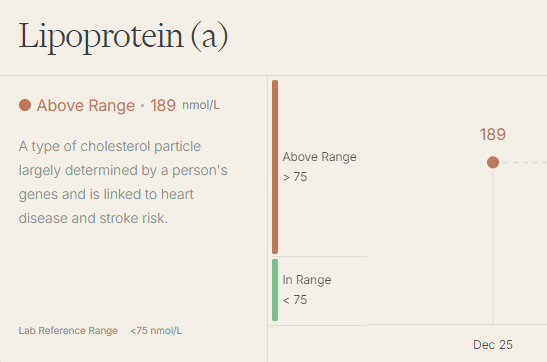
Lp(a) testing is officially recommended.
Lipoprotein(a) is an independent risk factor for heart disease
. About 1 in 5 people have elevated levels—and most have no idea, because it's not routinely tested.
Lp(a) is genetically determined, so it typically only needs to be checked once in your lifetime. Knowing your number matters. It doesn't change
that
risk—but it does change how proactively you manage the risks you
can
control.
Apolipoprotein B, front and center

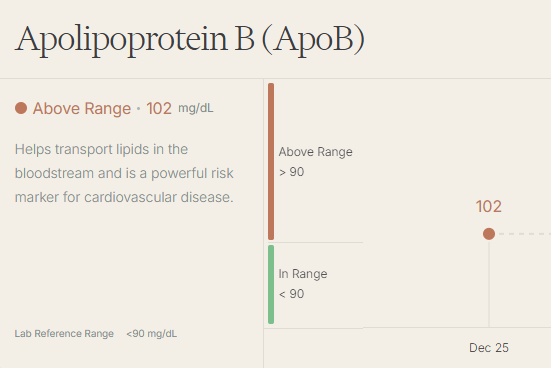
While Lp(a) reflects inherited risk, Apolipoprotein B helps clarify what's happening right now.
In simple terms, ApoB tells us how many atherogenic (plaque-forming) particles are circulating in your bloodstream.
It's one of the strongest predictors of cardiovascular risk—yet it's still not consistently included in standard panels.
The updated guidelines acknowledge ApoB as a valuable tool, particularly in those with metabolic syndrome, diabetes, or elevated triglycerides.
Together, Lp(a) and ApoB give a far more complete picture than traditional cholesterol numbers alone—especially when standard labs appear “normal.”
Lifestyle Remains Foundational

One of the most important takeaways—and one that doesn't get nearly enough attention—is this: lifestyle remains foundational.
The guidelines state that lifestyle interventions can reduce cardiovascular risk by up to 50%, even in those with genetic predisposition.
That's a big deal.
The Big Takeaway
Testing these markers isn’t about chasing perfect numbers or creating worry. It’s about clarity.
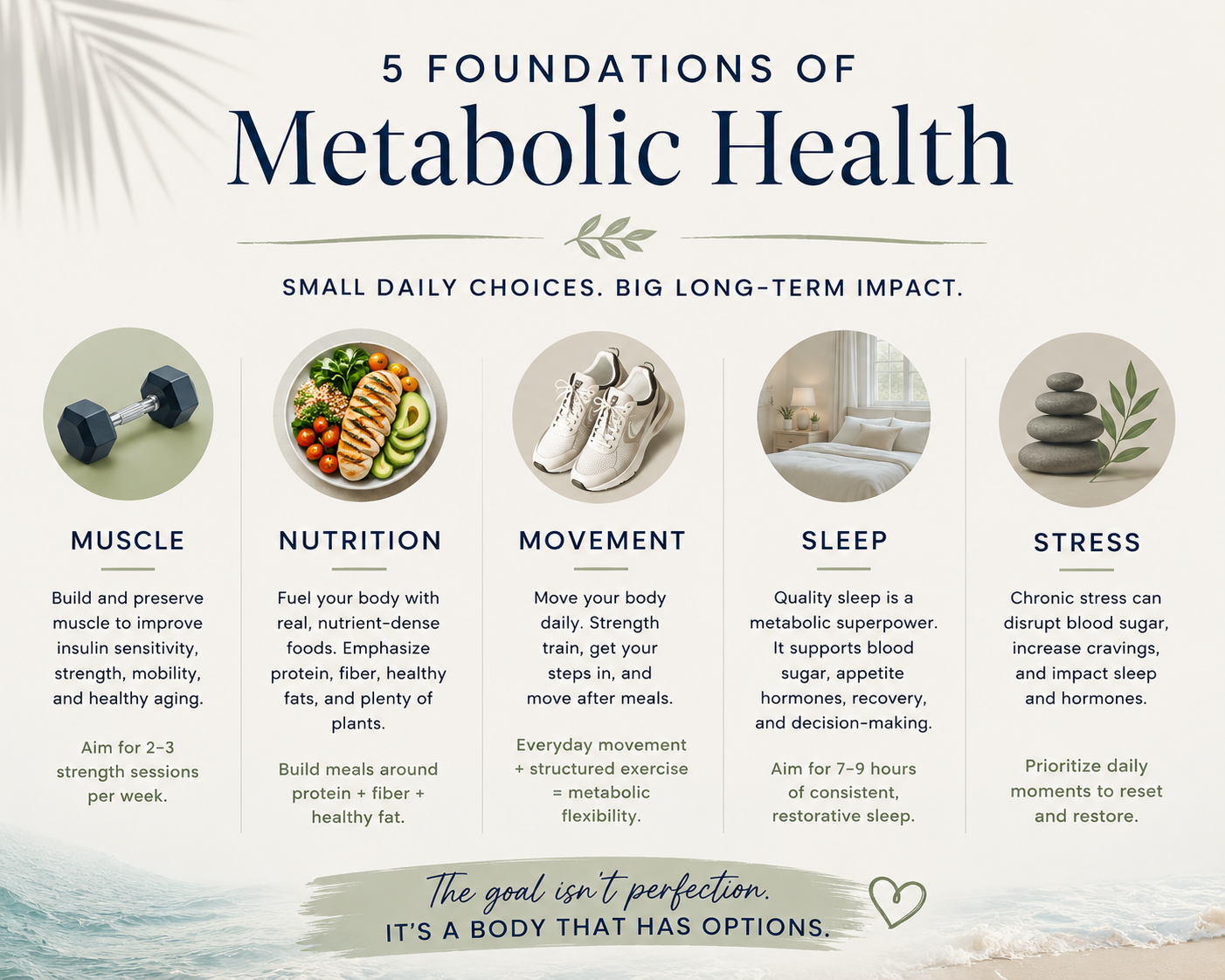
Much of what's emphasized—lower LDL for longer, thoughtful use of medications when appropriate, and a strong foundation of nutrition, movement, sleep, and stress management—aligns with what we've been talking about for years in functional medicine.
At the end of the day, this isn't about just following guidelines—it's about understanding your risk.
Your labs.
Your history.
Your patterns.
And building a plan that reflects that.
If you’re curious how markers like Lp(a) and ApoB fit into your own health picture, my 2026 Lab & Nutrition Analysis package connects comprehensive testing with personalized dietary guidance—so you know exactly what to prioritize.
Read More from Alicia